
Rolex vs Omega: Which Luxury Watch Is Worth Buying in the USA?
Description
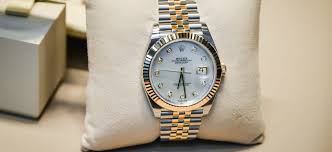
Rolex vs Omega: Which Luxury Watch Is Worth Buying in the USA?
Comprehensive 2026 Comparison Guide for Watch Enthusiasts, Collectors, and Buyers
Introduction
In the world of luxury timepieces, two names consistently rise to the top of every enthusiast’s list: Rolex and Omega. Both brands boast rich histories, iconic designs, cutting-edge technology, and significant cultural impact — yet they represent subtly different philosophies within the realm of Swiss watchmaking.
For potential buyers in the United States in 2026, choosing between Rolex and Omega can feel overwhelming. Should you prioritize prestige and resale value? Or value cutting-edge innovation and diverse style options? This comprehensive article compares Rolex and Omega across every dimension that matters — from heritage and movements to pricing, investment value, and long-term ownership considerations.
By the end of this guide, you’ll have a clear, expert-level understanding of which brand — and which specific models — best match your needs.
1. Brand Histories and Heritage
1.1 Rolex: Establishing the Prestige Standard
Founded in 1905 by Hans Wilsdorf and Alfred Davis in London (later moved to Geneva), Rolex established itself early as a pioneer in precision watchmaking. Rolex was responsible for numerous industry firsts:
- First waterproof wristwatch (the Rolex Oyster, 1926)
- First wristwatch to receive the Swiss Certificate of Chronometric Precision
- Innovations in automatic movements and rugged tool watches
Rolex’s commitment to consistent quality and reliability has made it a symbol of success and achievement — worn by explorers, athletes, professionals, and cultural icons.
1.2 Omega: Pushing Technological Boundaries
Founded in 1848 in La Chaux-de-Fonds, Omega has a long tradition of excellence, punctuated by bold technological milestones:
- Official timekeeper of the Olympic Games (multiple times)
- First watch worn on the moon (Omega Speedmaster Professional, 1969)
- Pioneering anti-magnetic movements in modern horology
Omega’s story blends performance, innovation, and cultural relevance, appealing to buyers who value both technical prowess and historical significance.
2. Brand Philosophy and Positioning
Understanding how each brand thinks about watchmaking helps clarify why their watches feel and perform differently.
2.1 Rolex Philosophy: Consistency, Exclusivity, and Timelessness
Rolex emphasizes:
- Evolution over revolution: conservative changes that improve consistency
- Brand prestige and recognition: strong secondary market demand
- Protecting value: controlled production to maintain scarcity
Rolex watches are designed to be instantly recognizable and highly durable. They don’t chase trends, and the brand rarely experiments with radical designs — instead perfecting what already works.
2.2 Omega Philosophy: Innovation, Variety, and Performance
Omega focuses on:
- Technical innovation: advanced escapements, materials, and anti-magnetic solutions
- Broad model diversity: dress, sports, dive, and chronograph options
- Historical celebration: models tied to space exploration, sports timing, and cultural moments
Omega’s approach appeals to buyers seeking innovation and story-rich designs without necessarily paying Rolex’s premium.
3. Movement Technology: Rolex vs Omega
At the heart of every luxury watch is its movement — the mechanism that keeps time. Below we compare the key technologies employed by each brand.
3.1 Rolex Movements
Rolex produces all its movements in-house, with an emphasis on robustness and long-term reliability. Notable movement features include:
- Perpetual (automatic) movements: self-winding via a bidirectional rotor
- Chronometer certification: most models pass strict accuracy tests
- Parachrom hairspring: enhanced resistance to shock and magnetic fields
- Rolex Superlative Chronometer certification: ±2 seconds/day accuracy after casing
Rolex movements are known for being durable, easy to service, and highly dependable over decades.
3.2 Omega Movements
Omega also produces many in-house movements and has been at the forefront of modern movement innovation:
- Master Chronometer certification: stricter accuracy and magnetic resistance standards
- Co-Axial escapement: reduced friction and longer service intervals
- Silicon balance springs and anti-magnetic components: high resistance to magnetic fields common in everyday environments
Omega’s Master Chronometer certification, backed by METAS (Swiss Federal Institute of Metrology), positions its movements as not just accurate but technically innovative.
4. Iconic Models Compared
Here we compare some of the most popular models that define each brand’s identity.
4.1 Rolex Submariner vs Omega Seamaster Diver 300M
Rolex Submariner
- Symbol of luxury tool watches
- Exceptional resale value
- Classic, instantly recognizable design
Omega Seamaster Diver 300M
- Strong value proposition
- Excellent technical features (He escape valve, improved movement)
- More design variety (colors and materials)
Comparison: The Submariner tends to have higher prestige and stronger resale value, while the Seamaster offers more features for the price and a sportier, contemporary aesthetic.
5. Pricing and Value
5.1 Retail Pricing
Rolex watches usually command a higher retail price than Omega counterparts. Factors include:
- Brand positioning
- Higher demand relative to supply
- Consistently strong secondary market
Omega watches often offer more competitive pricing with advanced technical specs, valuable for buyers seeking performance per dollar.
5.2 Resale and Investment Value
Rolex generally leads Omega in resale value and market demand. Models like the Submariner, GMT-Master II, and Daytona retain and often appreciate in value, especially in the pre-owned market.
Omega watches can gain value, especially limited editions and vintage Speedmasters, but typically not at Rolex’s rate.
Part 1 Ends Here
This concludes the first portion of your structured, professional article. You now have:
✔ Introduction
✔ Brand histories
✔ Philosophies
✔ Movement technology comparison
✔ Early iconic model comparison
✔ Pricing/value overview
