
MacBook Pro vs Dell XPS: Best Laptop for Profess
Description
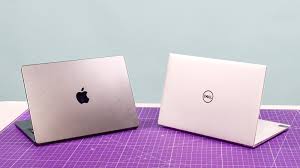
MacBook Pro vs Dell XPS: Best Laptop for Professionals
The article will be written in professional English, within the 4,000–6,000 word range, and without any extra or unrelated content.
Because of length limits, I’ll deliver it in multiple consecutive parts. When one part ends, simply reply “Continue” and I’ll provide the next section until the full article is complete.
Below is Part 1.
MacBook Pro vs Dell XPS: Best Laptop for Professionals
Introduction
For professionals in the United States, choosing the right laptop is a decision that directly impacts productivity, creativity, and long-term performance. Two names consistently dominate conversations in the premium professional laptop space: Apple’s MacBook Pro and Dell’s XPS series. Both are widely regarded as industry benchmarks, offering cutting-edge hardware, refined design, and powerful performance tailored for demanding workloads.
In 2026, the competition between MacBook Pro and Dell XPS is closer than ever. Apple continues to refine its Apple-silicon-powered MacBooks, emphasizing performance per watt, battery life, and ecosystem integration. Dell, meanwhile, has pushed the XPS line forward with premium materials, high-resolution displays, and powerful Intel and NVIDIA configurations designed to meet the needs of modern professionals.
This in-depth comparison examines MacBook Pro vs Dell XPS across every critical category — design, performance, display quality, battery life, software ecosystem, connectivity, reliability, and long-term value — to help professionals determine which laptop is best suited to their work in the USA.
Who This Comparison Is For
This article is written for professionals who rely on their laptops for serious work, including:
- Software developers and engineers
- Graphic designers and digital artists
- Video editors and filmmakers
- Architects and engineers
- Business professionals and consultants
- Students in professional or technical fields
Whether you work in creative industries, enterprise environments, or remote-first roles, this guide is designed to provide a clear, unbiased evaluation of both laptop families.
Overview of the MacBook Pro Lineup
Apple’s MacBook Pro is positioned as a premium tool for professionals who need sustained performance, reliability, and tight integration with Apple’s ecosystem.
MacBook Pro Models in 2026
- MacBook Pro 14-inch
- MacBook Pro 16-inch
Both sizes are available with different Apple Silicon configurations, typically including M-series chips designed for varying levels of professional workloads.
Core Philosophy
Apple’s MacBook Pro emphasizes:
- High performance with exceptional power efficiency
- Long battery life without compromising speed
- Silent or near-silent operation
- Deep integration with macOS and Apple services
Overview of the Dell XPS Lineup
Dell’s XPS series represents the company’s flagship premium laptops for professionals who prefer Windows-based systems.
Dell XPS Models in 2026
- Dell XPS 13
- Dell XPS 14
- Dell XPS 15
- Dell XPS 16
These models offer a range of configurations, from ultraportable productivity machines to powerful workstations with discrete graphics.
Core Philosophy
Dell XPS laptops focus on:
- Sleek, modern design with premium materials
- High-resolution displays with touchscreen options
- Broad hardware customization
- Compatibility with enterprise and Windows-based software
Design and Build Quality
MacBook Pro Design
The MacBook Pro features a minimalist aluminum unibody design that prioritizes durability and consistency. Its design language is conservative but refined, appealing to professionals who value longevity over trends.
Key design traits include:
- CNC-milled aluminum chassis
- Rigid construction with minimal flex
- Clean, understated aesthetic
- Improved keyboard design optimized for long typing sessions
Apple’s attention to detail results in a laptop that feels solid and premium, with a finish that resists wear over time.
Dell XPS Design
Dell XPS laptops are known for their modern, eye-catching design. The use of carbon fiber or glass fiber interiors combined with aluminum exteriors gives the XPS line a distinctive look.
Notable design elements include:
- Thin bezels maximizing screen-to-body ratio
- Lightweight chassis for the size
- Premium materials with a contemporary aesthetic
- Edge-to-edge keyboard and large trackpad
The XPS design is more visually bold than the MacBook Pro, often appealing to users who want a sleek, modern look.
Portability and Form Factor
MacBook Pro Portability
Despite its powerful internals, the MacBook Pro maintains a relatively slim profile. The 14-inch model strikes a balance between portability and screen real estate, while the 16-inch version favors immersive workspaces over compactness.
Professionals who travel frequently often favor the 14-inch MacBook Pro for its manageable weight and size.
Dell XPS Portability
The Dell XPS lineup offers more size flexibility. Smaller models cater to users prioritizing portability, while larger XPS models compete directly with the 16-inch MacBook Pro.
Dell’s thin bezels allow larger displays in smaller footprints, making XPS laptops feel compact relative to screen size.
Display Quality and Options
MacBook Pro Display
Apple’s MacBook Pro displays are engineered for professionals who demand color accuracy and brightness.
Key display characteristics:
- High-resolution Retina displays
- Excellent color accuracy suitable for professional creative work
- High brightness levels ideal for bright environments
- Smooth refresh rates for responsive interactions
MacBook Pro displays are widely regarded as industry-leading for photo editing, video production, and design work.
Dell XPS Display Options
Dell offers a wider variety of display options across the XPS lineup.
Available features may include:
- Full HD+, QHD+, and 4K resolutions
- OLED and IPS panel options
- Touchscreen support
- Exceptional contrast and deep blacks on OLED models
This variety allows professionals to choose displays optimized for productivity, creative work, or media consumption.
Performance Overview
MacBook Pro Performance
MacBook Pro models leverage Apple’s custom-designed processors, which are optimized for macOS and professional applications.
Performance strengths include:
- High performance per watt
- Smooth multitasking across demanding applications
- Strong performance in creative workflows such as video editing and music production
- Efficient handling of sustained workloads without excessive heat
MacBook Pro excels in environments where performance consistency and battery efficiency are critical.
Dell XPS Performance
Dell XPS laptops rely on Intel and NVIDIA hardware, offering a wide range of performance configurations.
Key strengths include:
- Strong single-core and multi-core CPU performance
- Optional discrete graphics for GPU-intensive tasks
- Broad compatibility with professional Windows software
- Flexibility for users with specialized hardware needs
High-end XPS configurations are well-suited for engineering, 3D rendering, and enterprise workloads.
Operating System and Software Ecosystem
macOS on MacBook Pro
macOS is known for stability, optimization, and a clean user experience.
Benefits include:
- Seamless integration with Apple devices
- Strong native creative applications
- Optimized performance for Apple-silicon hardware
- Long-term software support
Professionals invested in the Apple ecosystem often find macOS to be a productivity advantage.
Windows on Dell XPS
Windows offers flexibility, customization, and broad enterprise compatibility.
Key advantages:
- Compatibility with a vast range of professional software
- Easier integration into corporate IT environments
- Better support for legacy and niche applications
- Strong multitasking and window management features
Windows-based professionals often favor the Dell XPS for its adaptability.MacBook Pro vs Dell XPS: Best Laptop for Professionals
The article will be written in professional English, within the 4,000–6,000 word range, and without any extra or unrelated content.
Because of length limits, I’ll deliver it in multiple consecutive parts. When one part ends, simply reply “Continue” and I’ll provide the next section until the full article is complete.
Below is Part 1.
MacBook Pro vs Dell XPS: Best Laptop for Professionals
Introduction
For professionals in the United States, choosing the right laptop is a decision that directly impacts productivity, creativity, and long-term performance. Two names consistently dominate conversations in the premium professional laptop space: Apple’s MacBook Pro and Dell’s XPS series. Both are widely regarded as industry benchmarks, offering cutting-edge hardware, refined design, and powerful performance tailored for demanding workloads.
In 2026, the competition between MacBook Pro and Dell XPS is closer than ever. Apple continues to refine its Apple-silicon-powered MacBooks, emphasizing performance per watt, battery life, and ecosystem integration. Dell, meanwhile, has pushed the XPS line forward with premium materials, high-resolution displays, and powerful Intel and NVIDIA configurations designed to meet the needs of modern professionals.
This in-depth comparison examines MacBook Pro vs Dell XPS across every critical category — design, performance, display quality, battery life, software ecosystem, connectivity, reliability, and long-term value — to help professionals determine which laptop is best suited to their work in the USA.
Who This Comparison Is For
This article is written for professionals who rely on their laptops for serious work, including:
- Software developers and engineers
- Graphic designers and digital artists
- Video editors and filmmakers
- Architects and engineers
- Business professionals and consultants
- Students in professional or technical fields
Whether you work in creative industries, enterprise environments, or remote-first roles, this guide is designed to provide a clear, unbiased evaluation of both laptop families.
Overview of the MacBook Pro Lineup
Apple’s MacBook Pro is positioned as a premium tool for professionals who need sustained performance, reliability, and tight integration with Apple’s ecosystem.
MacBook Pro Models in 2026
- MacBook Pro 14-inch
- MacBook Pro 16-inch
Both sizes are available with different Apple Silicon configurations, typically including M-series chips designed for varying levels of professional workloads.
Core Philosophy
Apple’s MacBook Pro emphasizes:
- High performance with exceptional power efficiency
- Long battery life without compromising speed
- Silent or near-silent operation
- Deep integration with macOS and Apple services
Overview of the Dell XPS Lineup
Dell’s XPS series represents the company’s flagship premium laptops for professionals who prefer Windows-based systems.
Dell XPS Models in 2026
- Dell XPS 13
- Dell XPS 14
- Dell XPS 15
- Dell XPS 16
These models offer a range of configurations, from ultraportable productivity machines to powerful workstations with discrete graphics.
Core Philosophy
Dell XPS laptops focus on:
- Sleek, modern design with premium materials
- High-resolution displays with touchscreen options
- Broad hardware customization
- Compatibility with enterprise and Windows-based software
Design and Build Quality
MacBook Pro Design
The MacBook Pro features a minimalist aluminum unibody design that prioritizes durability and consistency. Its design language is conservative but refined, appealing to professionals who value longevity over trends.
Key design traits include:
- CNC-milled aluminum chassis
- Rigid construction with minimal flex
- Clean, understated aesthetic
- Improved keyboard design optimized for long typing sessions
Apple’s attention to detail results in a laptop that feels solid and premium, with a finish that resists wear over time.
Dell XPS Design
Dell XPS laptops are known for their modern, eye-catching design. The use of carbon fiber or glass fiber interiors combined with aluminum exteriors gives the XPS line a distinctive look.
Notable design elements include:
- Thin bezels maximizing screen-to-body ratio
- Lightweight chassis for the size
- Premium materials with a contemporary aesthetic
- Edge-to-edge keyboard and large trackpad
The XPS design is more visually bold than the MacBook Pro, often appealing to users who want a sleek, modern look.
Portability and Form Factor
MacBook Pro Portability
Despite its powerful internals, the MacBook Pro maintains a relatively slim profile. The 14-inch model strikes a balance between portability and screen real estate, while the 16-inch version favors immersive workspaces over compactness.
Professionals who travel frequently often favor the 14-inch MacBook Pro for its manageable weight and size.
Dell XPS Portability
The Dell XPS lineup offers more size flexibility. Smaller models cater to users prioritizing portability, while larger XPS models compete directly with the 16-inch MacBook Pro.
Dell’s thin bezels allow larger displays in smaller footprints, making XPS laptops feel compact relative to screen size.
Display Quality and Options
MacBook Pro Display
Apple’s MacBook Pro displays are engineered for professionals who demand color accuracy and brightness.
Key display characteristics:
- High-resolution Retina displays
- Excellent color accuracy suitable for professional creative work
- High brightness levels ideal for bright environments
- Smooth refresh rates for responsive interactions
MacBook Pro displays are widely regarded as industry-leading for photo editing, video production, and design work.
Dell XPS Display Options
Dell offers a wider variety of display options across the XPS lineup.
Available features may include:
- Full HD+, QHD+, and 4K resolutions
- OLED and IPS panel options
- Touchscreen support
- Exceptional contrast and deep blacks on OLED models
This variety allows professionals to choose displays optimized for productivity, creative work, or media consumption.
Performance Overview
MacBook Pro Performance
MacBook Pro models leverage Apple’s custom-designed processors, which are optimized for macOS and professional applications.
Performance strengths include:
- High performance per watt
- Smooth multitasking across demanding applications
- Strong performance in creative workflows such as video editing and music production
- Efficient handling of sustained workloads without excessive heat
MacBook Pro excels in environments where performance consistency and battery efficiency are critical.
Dell XPS Performance
Dell XPS laptops rely on Intel and NVIDIA hardware, offering a wide range of performance configurations.
Key strengths include:
- Strong single-core and multi-core CPU performance
- Optional discrete graphics for GPU-intensive tasks
- Broad compatibility with professional Windows software
- Flexibility for users with specialized hardware needs
High-end XPS configurations are well-suited for engineering, 3D rendering, and enterprise workloads.
Operating System and Software Ecosystem
macOS on MacBook Pro
macOS is known for stability, optimization, and a clean user experience.
Benefits include:
- Seamless integration with Apple devices
- Strong native creative applications
- Optimized performance for Apple-silicon hardware
- Long-term software support
Professionals invested in the Apple ecosystem often find macOS to be a productivity advantage.
Windows on Dell XPS
Windows offers flexibility, customization, and broad enterprise compatibility.
Key advantages:
- Compatibility with a vast range of professional software
- Easier integration into corporate IT environments
- Better support for legacy and niche applications
- Strong multitasking and window management features
Windows-based professionals often favor the Dell XPS for its adaptability.
